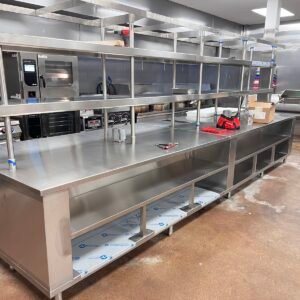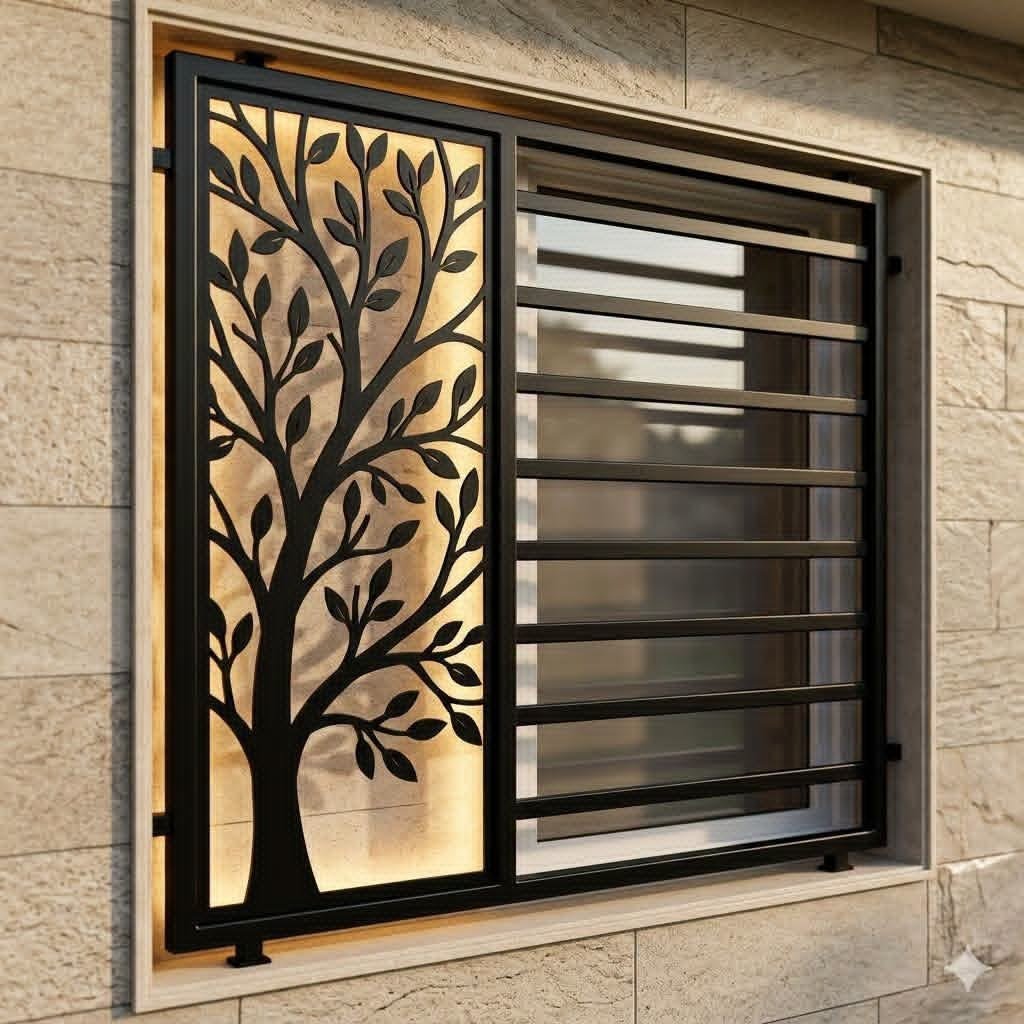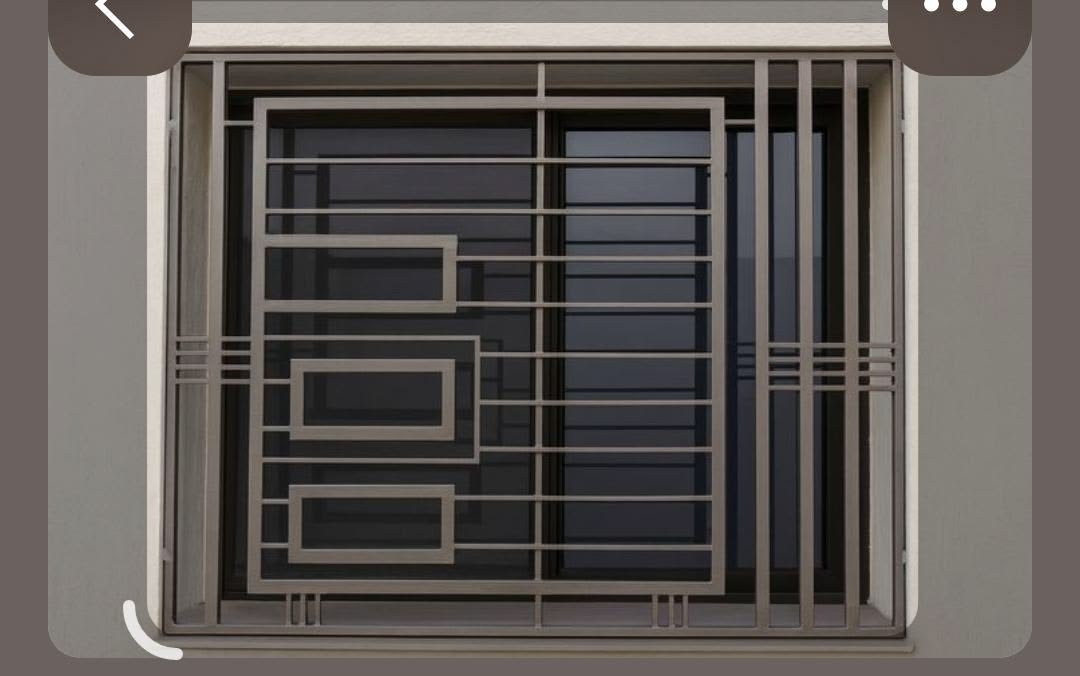
Al-Wali Metalworks manufactures stainless steel kitchen equipment for restaurants, hotels, bakeries and other kitchens across Pakistan. From worktables and sinks to cabinets and cooking units, I build equipment to fit your space and daily needs. Call me to discuss your requirements and request a quote.
I manufacture kitchen equipment to suit your space and the way you work. Before starting, I ask what you cook, which utensils you use and where the equipment will stand. This helps me plan a sink that holds your large pots, a table with enough preparation space or a cabinet that stores your trays properly. I also check whether staff have room to open doors, move between units and clean nearby surfaces. You can order one replacement item or discuss equipment for a complete kitchen. I explain the proposed size and arrangement in simple terms, so you know what is included before you place an order. The focus is equipment that your staff can use comfortably during everyday kitchen work.
I am the founder of Al-Wali Metalworks. My experience includes 14 years in the UAE and 3 years in Pakistan.
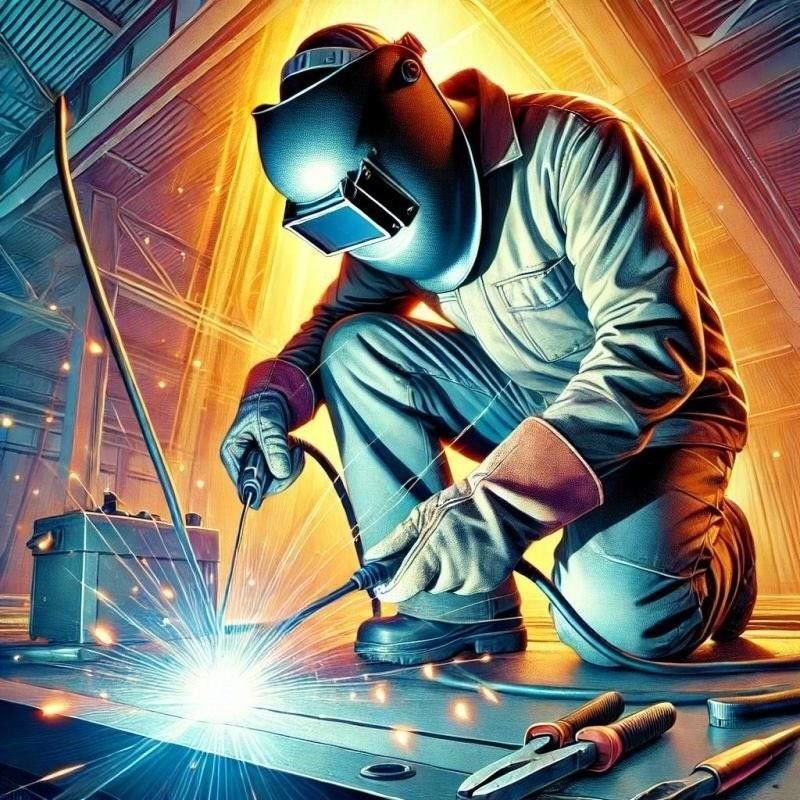
I began as a welder and later worked on stainless steel kitchen equipment. Over time, my work included making sinks and cabinets, cutting metal sheets, operating bending machines and polishing finished equipment. I have also supervised workshop teams and installation work at customer sites. This experience helps me explain what needs to be decided before an item is made. For example, a sink needs the correct bowl depth, while a cabinet needs enough space inside for the items you want to store.
My workshop is near Asia Cargo Saggian, Lahore. You can discuss your requirements with me in Urdu, Punjabi or English.
My experience includes more than 1,000 projects. I have worked on fabrication, checked finished equipment and handled fitting problems at customer sites. For your order, I check the measurements against the drawing and review how the parts fit together. If a detail is unclear, I discuss it before continuing. This includes openings for sinks, cabinet door positions and joints between counters.
I also understand when a job needs another specialist. Gas, plumbing, electrical, ventilation and refrigeration work are arranged with qualified technicians. My own training includes fire safety, workplace hazard identification and the use of protective equipment.
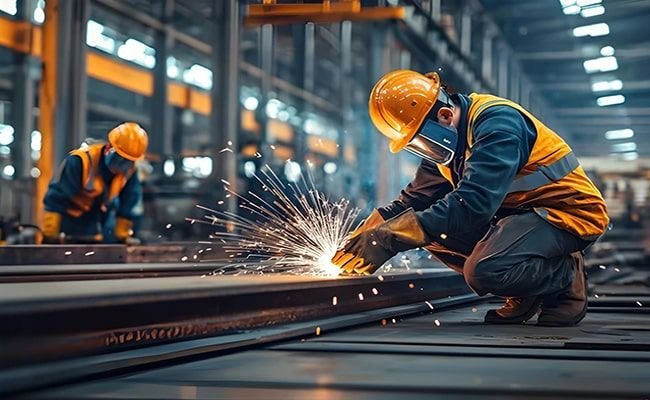
The work starts with your measurements and requirements. Before cutting, I check the main details, such as where a sink will sit or which side a cabinet door will open from. We cut the metal sheets and bend them into the required shapes. During assembly, we check that the parts line up and match the drawing. Welded joints and exposed edges are then finished according to the equipment’s use.
For example, a rough joint on a preparation table needs grinding before polishing. Simply making the surface shiny does not remove the raised metal underneath. These details matter when your staff use and clean the equipment every day.
Custom fabrication means making equipment to your required size and design. If a standard counter does not fit your kitchen, I discuss the measurements and available space. I make sinks, tables and cabinets from agreed drawings or measurements for you.
Kitchen layout planning shows where each item will stand before it is made. If staff keep crossing between cooking and washing areas, the arrangement needs attention. I use 2D drawings and 3D views to help you understand the proposed layout.
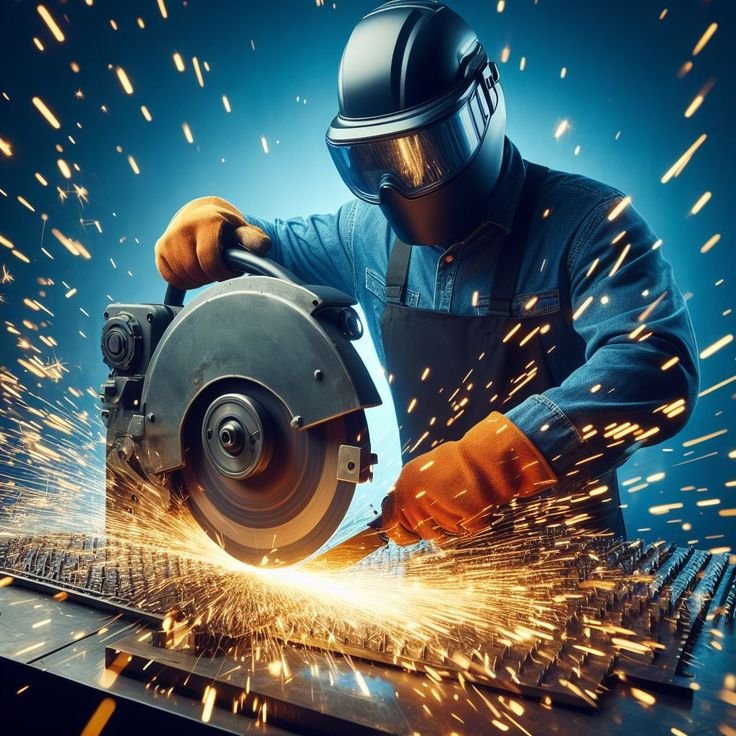
Laser cutting uses a machine to cut metal sheets according to a drawing. It is useful for shaped parts and equipment openings. My experience includes setting up and operating laser machines for sheets from 0.5 mm to 8 mm thick.
Sheet bending gives metal sheets the shape needed for counter edges, raised backs and equipment panels. Incorrect bends stop parts from fitting together properly. I check the required angle and size against the drawing, including for separate sheet bending jobs.
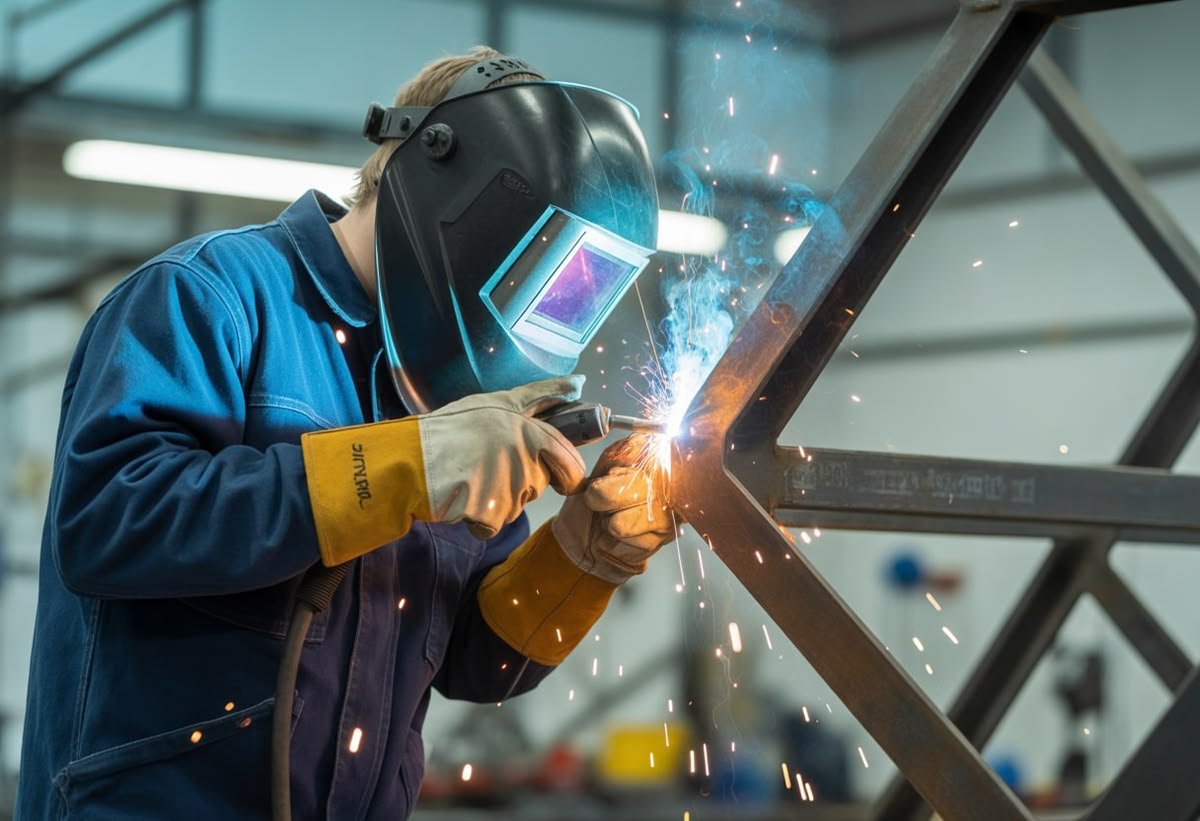
TIG welding is a method used to join stainless steel parts, including sink bowls and counter sections. The joint needs careful preparation before welding. I also consider how the welded area will be reached for grinding and polishing after assembly.
MIG and arc welding are methods used for suitable metal frames, supports and repair work. A cracked frame needs checking before welding starts. I assess the joint and nearby metal to decide how to approach the repair or fabrication work.
Aluminium fabrication covers making and welding parts where aluminium is required. Before starting, I discuss the size, shape and purpose of the component. I also check how it will attach to nearby parts, so its connections are included in planning.
Polishing and finishing smooth rough edges, reduce weld marks and restore damaged metal surfaces. Polishing alone does not fix an uneven joint. I carry out the grinding and buffing needed, with matte or mirror finishes discussed for your equipment surfaces.
Assembly and fitting involve joining the parts and placing equipment in its required position. Doors, panels and fixing points need checking during this work. My installation experience includes kitchen hoods, wall cabinets and shelves fitted against the available supporting surfaces.
I work with buyers setting up new kitchens, adding equipment or replacing items that no longer meet their needs. The starting point is understanding how your kitchen works and what causes difficulty during the day.
Food production teams handle ingredients and containers in batches. Limited table space makes preparation and cleaning harder. I discuss container sizes, storage needs and the work done at each stage before making stainless steel tables, sinks and racks for production.
Home kitchens often have corners or gaps that standard units do not fit. A poorly placed sink also reduces preparation space. I discuss your appliances, cookware and available room before making stainless steel countertops, cabinets or sink units for you.
When orders increase, a small preparation table or crowded cooking area makes work harder. I discuss your menu, pot sizes and food packing needs before recommending equipment. The aim is to give each task enough room within your available kitchen.
Hotel and catering teams need space to prepare meals and refill serving dishes. During functions, food and utensils move between several areas. I discuss your preparation and serving needs when planning kitchen tables, buffet counters and trolleys for your team.
Bakers need clear tables for dough preparation and racks that hold their trays properly. Trays left on worktops reduce space for the next batch. I discuss tray sizes, shelf gaps and preparation needs before making tables and racks for production.
Hospital and institutional kitchens prepare meals for set serving times. Staff need separate places for food preparation, portioning and washing used utensils. I discuss these tasks with your team before planning worktables, storage units and sinks for the available kitchen.
You tell me what you need, where it is going, and what look or function you are after. I ask the right questions upfront so there are no surprises later.
Before anything gets cut or welded, I take proper measurements at your location. This is what guarantees the finished piece fits the first time without adjustment or rework.
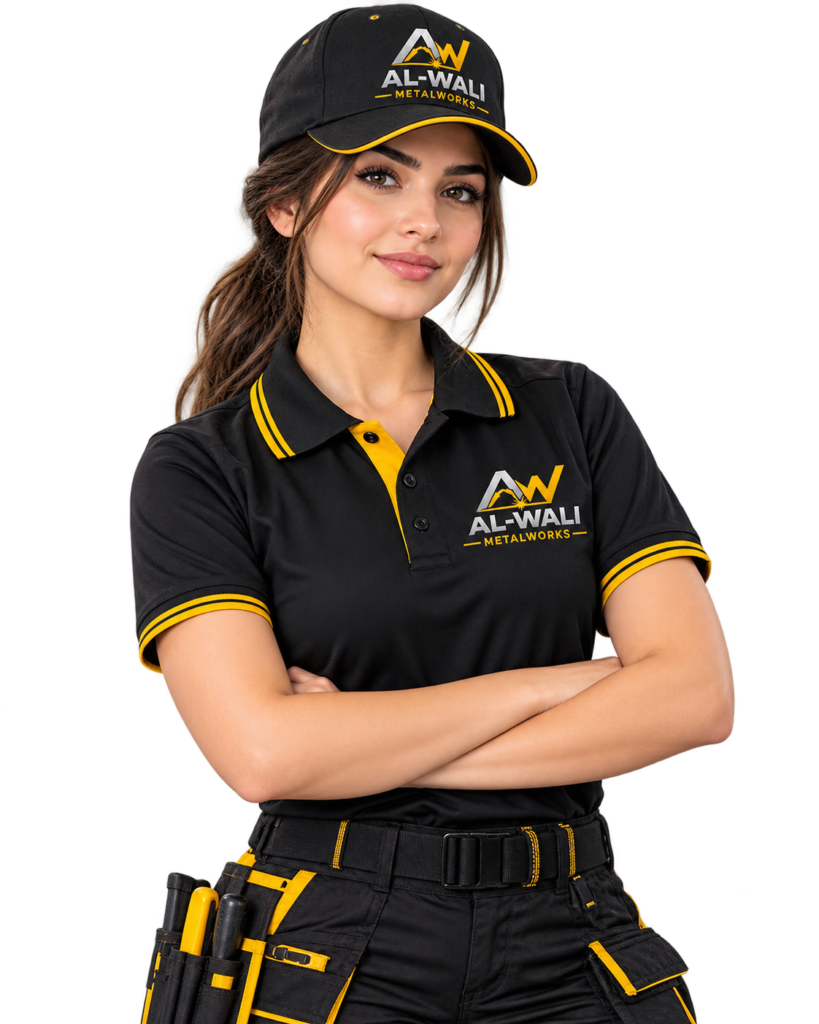
I select the correct steel grade for your job, cut it to spec, and complete the welding with care. No rushing through this stage. Good welding takes the time it takes.
Once the piece is ready, I bring it to your site and handle the full installation myself. I do the final checks on location before I consider the job done.
You do not need to know every technical term before calling. Explain what you need the equipment to do and share the information you already have. These details help me understand your order:
Need a larger sink, more preparation space or equipment for a new kitchen? Call me to discuss the job. I will review your requirements and explain the sizes and details needed to prepare a quote for your equipment.
Kitchen equipment prices depend on steel grade, sheet thickness, size, fittings, finish and quantity. Compare quotes for the same specifications to understand what each supplier includes.
SS 304 generally resists corrosion better than SS 202 in wet kitchen areas. The right choice also depends on cleaning products and how the equipment is used.
Leave enough space for staff movement, opening doors, cleaning and repairs. The exact clearance depends on the equipment and any installation instructions provided by its manufacturer.
Gas, water, drainage and electrical points should follow the agreed kitchen plan. Qualified technicians need to check their positions and supply requirements before the equipment is installed.
Use a soft cloth, suitable mild detergent and clean water, then dry the surface. Avoid steel wool and check cleaning product instructions before applying chemicals to equipment.